


How to Maximize Fuel Efficiency While Driving – Gas Saving Guide
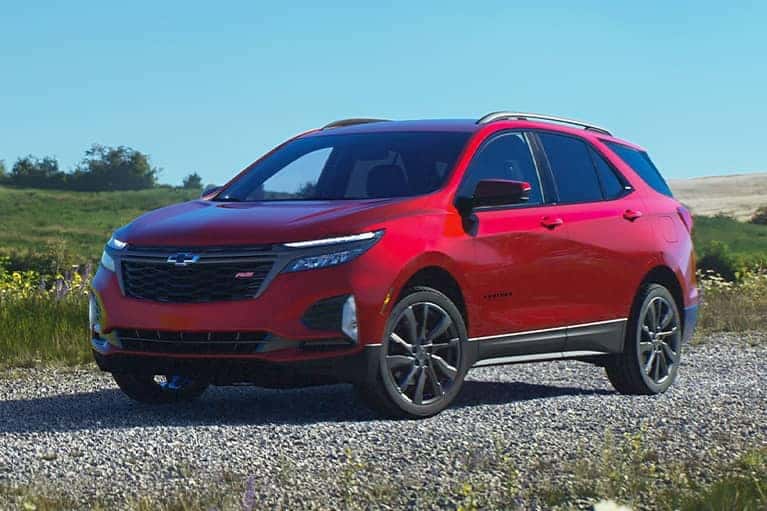
Fuel Efficiency Tips: Most drivers can improve their fuel economy by approximately 10% through simple driving habits and regular maintenance. Smart acceleration, proper tire pressure, and removing unnecessary weight can significantly reduce fuel consumption, saving you hundreds of dollars annually while reducing environmental impact.
Did you know your next fill-up could cost less without changing your car? Most drivers don’t know they can boost their gas mileage by about 10% with simple habits and car care.
Studies show smart driving and maintenance can greatly improve your mpg. This means you could save hundreds of dollars each year. These tips not only save money but also make driving safer and better for the environment.
The best speed for fuel efficiency varies by car, but there are tips for all drivers. You’ll learn about pre-drive prep, smart acceleration, and route planning that work for any car.
Whether you’re driving to work or on a road trip, these tips will change how you drive. Ready to save money and help the environment? Let’s look at the easy changes that make a big difference at the gas station.
Essential Pre-Drive Preparations for Better Fuel Economy
Improving your fuel economy starts at home, not on the road. A few minutes of preparation before each drive can make a big difference. These simple steps will help you get more miles per gallon.
Focus on two main areas: keeping your vehicle in top shape and managing its weight. Both are key to better fuel efficiency.
Vehicle Maintenance Checks
Regular checks are crucial for good fuel economy. Your Chevrolet’s engine and systems perform best when well-maintained.
Tire Pressure Optimization
Proper tire pressure is a simple way to boost fuel efficiency. Correct pressure can improve your gas mileage by up to 3.3%. Under-inflated tires make your engine work harder.
Check tire pressure monthly when tires are cold. Look for your vehicle’s recommended pressure on a sticker inside the driver’s side door jamb. Don’t use the maximum pressure on the tire sidewall – that’s for the tire’s limit, not your vehicle’s.
Every 1 psi drop below the recommended pressure costs about 0.3% in fuel efficiency. This might seem small, but it adds up over time.
Air Filter and Engine Health
A clean air filter helps your engine breathe better, supporting better performance. While modern engines don’t see huge fuel savings from new air filters, a dirty filter still hurts power and acceleration.
Replace your air filter as recommended by your Chevrolet’s maintenance schedule or when it looks dirty. A clean filter ensures your engine gets the air it needs, keeping performance consistent and preventing engine strain.
Weight and Cargo Management
Every extra pound in your vehicle uses more fuel. Managing your cargo load is a simple way to improve fuel economy.
Removing Unnecessary Items
Regularly clean out your vehicle to avoid extra weight. Removing 100 pounds of unnecessary cargo can improve fuel economy by about 1%. Common culprits include:
- Tools and equipment you don’t need for your current trip
- Sports gear and recreational equipment
- Extra cases of water or heavy groceries
- Books, papers, and office supplies
- Emergency supplies beyond basic necessities
Keep only essential items like your spare tire, jack, and basic emergency kit. Everything else should be removed between trips.
Roof Rack and External Accessories
Roof racks, cargo boxes, and bike carriers increase wind resistance, hurting fuel economy. They can reduce it by 2% to 25%, depending on speed and cargo size.
Remove roof racks and carriers when not in use. Even empty roof rails increase drag and hurt gas mileage. If you must carry cargo on your roof, pack it low and streamlined.
Consider using a rear hitch cargo carrier instead of roof storage. Rear carriers create less wind resistance and have less impact on fuel efficiency than roof-mounted options.
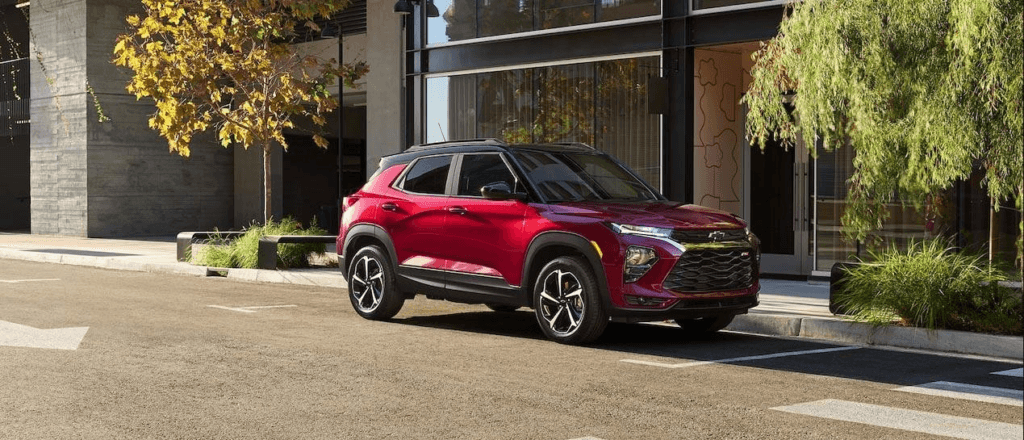
How to Maximize Fuel Efficiency While Driving Through Smart Acceleration and Braking
Smart driving habits can boost your fuel economy without needing car changes. These methods work on any Chevrolet, from the Spark to the Silverado. Aggressive driving can cut gas mileage by 33% on highways and 5% in cities.
Your driving habits affect how much fuel your car uses. Knowing how to accelerate smartly can save you money at the pump. It’s about working with your car’s natural efficiency, not against it.
Gradual Acceleration Techniques
Smooth acceleration is key to fuel efficiency. Your engine runs best when it’s not overworked. Think of accelerating as a gradual process, not a rush to speed.
Imagine an open cup of coffee on your dashboard. If you can accelerate without spilling it, you’re using the right amount of gas. This gentle approach keeps your engine running efficiently.
The 5-Second Acceleration Rule
The 5-second rule suggests taking 5 seconds to reach 20 km/hour from a stop. This avoids the fuel waste of quick starts. Your Chevrolet’s engine prefers gradual inputs.
Count slowly from one to five as you accelerate. This timing helps your transmission shift smoothly. Drivers of manual transmissions will feel the natural shift points without overworking the engine.
Use this technique on your daily commute. You’ll soon get the hang of the right pedal pressure. Most drivers find they can keep up with traffic flow while using less fuel.
Avoiding Rapid Starts and Stops
Rapid starts waste fuel by forcing your engine to work hard. Flooring the accelerator burns fuel at a high rate. Sudden stops also waste the fuel you’ve already used.
Plan your acceleration based on traffic ahead. Don’t race towards a red light. Gradual acceleration followed by coasting saves more fuel than stop-and-go driving.
Anticipatory Driving Methods
Anticipatory driving means looking ahead and predicting traffic. This skill helps you keep steady speeds and avoid sudden braking. Your fuel efficiency improves when you maintain consistent momentum.
Scan the road 12 seconds ahead of your current position. Look for brake lights and traffic signals. This early awareness lets you adjust your speed smoothly.
Coasting to Traffic Lights
Coasting to traffic lights saves the fuel you’ve already used. When you see a red light, lift your foot off the accelerator. This often lets you arrive just as the light turns green.
Your Chevrolet’s fuel system reduces fuel flow when coasting. Modern engines use little fuel during deceleration. Coasting is a very effective way to save fuel.
Time your approach to traffic lights by watching pedestrian signals. These signals often change 10-15 seconds before the traffic light. This gives you time to start coasting.
Maintaining Proper Following Distance
Proper following distance reduces the need for sudden braking and acceleration. Use the updated spacing rules: 3 seconds for 35-55 mph, 4 seconds for 55-75 mph, and up to 8 seconds in poor weather.
Count the seconds between when the car ahead passes a fixed object and when you pass it. This spacing lets you react smoothly to traffic changes. You’ll brake less and maintain steady speeds.
| Speed Range | Following Distance | Weather Conditions | Fuel Benefit |
|---|---|---|---|
| 35-55 mph | 3 seconds | Clear conditions | Reduced braking cycles |
| 55-75 mph | 4 seconds | Clear conditions | Steady speed maintenance |
| Any speed | 6-8 seconds | Rain or snow | Smoother deceleration |
| Highway speeds | 5+ seconds | Heavy traffic | Minimized stop-and-go |
Engine Load Management
Engine load management means keeping your engine in its most efficient range. Every engine has a sweet spot for best fuel economy. Knowing this range helps you make better decisions about acceleration and gear selection.
Your engine works best when not under too much strain. Varying speed between 75-85 km/hour every 18 seconds can increase fuel use by 20%. Consistent speeds within your engine’s optimal range deliver the best results.
Optimal RPM Ranges
Most Chevrolet engines run most efficiently between 1,500 and 2,500 RPM during steady driving. This range provides enough power while saving fuel. Your tachometer shows these RPM levels, helping you stay in the optimal zone.
Avoid letting your engine labor at very low RPMs or rev unnecessarily high. Both extremes waste fuel and can cause engine wear. Modern Chevrolet vehicles often display real-time fuel economy information to help you find the sweet spot.
Pay attention to your engine’s sound and feel. A well-tuned engine should run smoothly without strain or excessive noise. If your engine sounds like it’s working hard, you’re likely outside the optimal efficiency range.
Gear Selection for Manual Transmissions
Manual transmission drivers have direct control over engine load through gear selection. Shift to higher gears as soon as the engine can handle the load without lugging. This keeps your RPMs in the efficient range while maintaining adequate power.
Generally, shift around 2,000-2,500 RPM for optimal fuel economy. Don’t be afraid to use higher gears at lower speeds when traffic allows. Your engine often runs more efficiently in a higher gear at lower RPMs than in a lower gear at higher RPMs.
Skip-shifting can improve fuel economy in certain situations. For example, you might shift from second gear directly to fourth gear when accelerating gently. This technique works best when you don’t need maximum acceleration power.
Speed Control and Highway Efficiency Strategies
Learning to save money on gas starts with understanding speed, aerodynamics, and route planning. These habits can cut down your fuel costs and keep you safe. By using smart strategies, you can follow in the footsteps of professional drivers.
Highway driving is the best place to use hypermiling strategies. Your car runs best at steady speeds on open roads. Knowing how different factors affect your fuel economy is key.
Finding Your Vehicle’s Optimal Speed
Every car has a speed where it uses the least amount of fuel. This speed varies by car model and driving conditions. Knowing your car’s optimal speed helps you make better choices on the highway.
Most cars are most efficient between 45-65 mph. Going faster than this increases fuel use due to drag and engine work. Your car’s design and weight also affect its optimal speed.
The 55-65 MPH Sweet Spot
Gas mileage drops fast over 50 mph. Every 5 mph over 50 mph costs more fuel. Driving 70 mph instead of 60 mph can cost nearly $0.36 more per gallon.
The 55-65 mph range is the best for most cars. It balances travel time and fuel use. Staying in this range is a top way to save on gas.
Here are some speed-related fuel economy facts:
- Vehicles use about 20% more fuel at 75 mph compared to 62 mph
- Aggressive acceleration and speeding can lower fuel economy by 15-30%
- Maintaining steady speeds reduces engine workload significantly
- Speed variations of just 5-10 mph can impact fuel consumption noticeably
Cruise Control Best Practices
Cruise control helps keep speeds steady and saves fuel on flat highways. It reduces the small speed changes from manual control. But, it’s not always the best choice.
Use cruise control wisely by following these tips:
- Engage cruise control on flat, straight highways for maximum benefit
- Disable cruise control in hilly terrain where slight speed variations improve efficiency
- Set your cruise speed within the 55-65 mph optimal range
- Monitor traffic conditions and disengage when necessary for safety
- Avoid using cruise control in heavy traffic or poor weather conditions
Remember, safety always comes first. Never risk your safety or others’ for better fuel economy.
Reducing Wind Resistance
Wind resistance is a major enemy of fuel economy at high speeds. As speed increases, overcoming air resistance requires more energy. Smart choices can improve your fuel efficiency.
Understanding wind resistance helps you make better decisions. Small changes in aerodynamics can lead to big fuel savings over long distances.
Window vs. Air Conditioning Decisions
Choosing between air conditioning and open windows depends on your speed. Air conditioning can increase fuel use by up to 20%. But, open windows create drag at high speeds.
Follow these guidelines for better efficiency:
- Use open windows for city driving under 45 mph
- Switch to air conditioning for highway speeds above 50 mph
- Set AC to recirculate mode to reduce system workload
- Use the economy or eco mode if your vehicle has this AC setting
At high speeds, open windows use more fuel than air conditioning. This usually happens around 45-50 mph for most cars.
Aerodynamic Driving Techniques
Simple changes can boost your fuel efficiency without modifying your car. These techniques reduce air resistance.
Try these aerodynamic strategies:
- Remove roof racks, cargo boxes, and bike racks when not in use
- Keep windows closed at highway speeds
- Maintain proper following distance to avoid wind turbulence
- Choose the middle lane when possible to avoid crosswinds
- Keep your vehicle clean to maintain smooth airflow
Even small items like roof racks can increase fuel use by 5-15% at high speeds. Removing unnecessary accessories is an easy way to save fuel.
Route Planning and Traffic Management
Planning your route can save more fuel than any driving technique. Smart routing reduces driving time, stops, and keeps speeds optimal. Modern tech makes planning easier than ever.
Good route planning combines traffic awareness, timing, and efficient trip organization. These strategies help avoid fuel-wasting conditions.
Avoiding Peak Traffic Hours
Stop-and-go traffic wastes a lot of fuel. Peak hours are usually 7-9 AM and 4-6 PM. Traveling outside these times can save a lot of fuel.
Here are some tips to avoid traffic:
- Start your commute 30-60 minutes earlier or later when possible
- Use flexible work hours to avoid peak congestion
- Combine multiple errands into single trips during off-peak hours
- Monitor traffic apps for real-time congestion updates
Long trips are more fuel-efficient than short ones. Your engine gets to its best temperature. This makes long drives very fuel-efficient.
Using GPS for Efficient Routes
Modern GPS systems do more than give directions. They offer real-time traffic data, alternative routes, and fuel-saving options. Learning to use these features helps save fuel.
Maximize GPS efficiency with these tips:
- Enable traffic-aware routing to avoid congested areas
- Choose “eco-friendly” or “fuel-efficient” route options when available
- Select routes that minimize stops and traffic lights
- Use highway routes for longer distances despite slightly increased mileage
- Update your GPS software regularly for accurate traffic data
The shortest route isn’t always the most fuel-efficient. Highway routes often save more fuel than city streets, even if they’re longer. These habits help save money and keep travel safe and predictable.
Conclusion
Learning how to maximize fuel efficiency while driving can save you a lot of money. You can cut down on fuel costs by up to 25% and reduce emissions. Just by driving better, you can save 10% on fuel.
Start with simple steps like checking your tire pressure and removing extra weight. These changes can make a big difference right away. Then, try driving smoothly and avoid speeding.
Planning your route can also help you avoid traffic jams. This saves fuel and makes your drive more efficient.
These tips not only save you money but also make you a safer driver. They also help protect our environment. Every gallon you save means less pollution in the air.
Getting help from experts can make improving fuel efficiency easier. At LaRiche Chevrolet, we know how to help you save fuel with different cars. We can suggest the best Chevrolet models for you and offer maintenance tips.
Visit LaRiche Chevrolet at 215 E Main Cross St, Findlay, OH 45840, or call 419-956-0971 for advice. Our team will guide you to fuel-efficient vehicles and share tips to save on every trip.
FAQ
Does replacing my air filter really improve fuel economy?
Replacing a clogged air filter helps your engine run better, but it doesn’t save much gas. It’s still important for your engine’s health and longevity.
What’s the best way to accelerate for maximum fuel efficiency?
Use the 5-second rule when accelerating. Imagine you have coffee on your dashboard and accelerate gently. This avoids the fuel penalty of aggressive driving.
What’s the optimal speed for fuel efficiency on the highway?
Drive between 55-65 mph for best fuel economy. Going over 50 mph costs you about $0.18 per gallon in fuel.
When should I use cruise control for better fuel economy?
Cruise control is good on flat highways. But avoid it in hilly areas where it can waste fuel by not using momentum.